
General
Rawa: The unsung hero of Indian kitchens
Table of Contents
Overview
If your kitchen were a movie, spices would be the stars...
rice and atta would be the dependable supporting cast...
and somewhere on the middle shelf, quietly waiting, never demanding attention, would sit Rawa.
Not dramatic.
Not show-offy.
But always there when you need it.
Rawa is that ingredient every Indian home buys without thinking, uses without noticing, and runs out of without remembering.
And yet, it might just be the most versatile, hard-working staple in your kitchen.
But first… what exactly is Rawa?
Rawa (or sooji/semolina) is simply wheat that’s ground to a certain size.
Not too fine like atta.
Not too coarse like broken wheat.
Just right.
Different textures create different kinds of rawa:
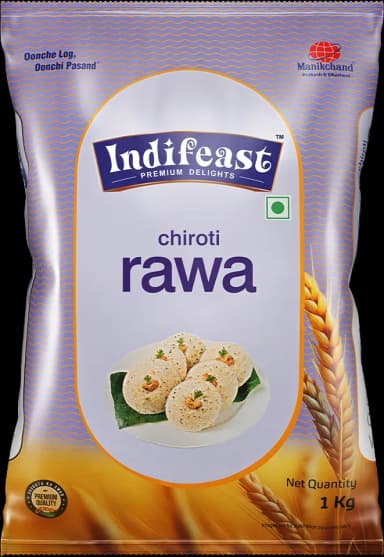
- Chiroti Rawa → extra fine (perfect for sweets)
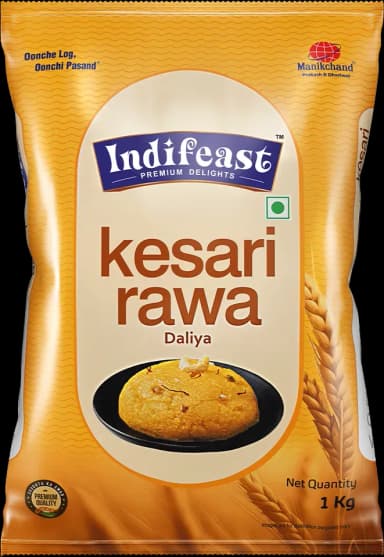
- Kesari Rawa → smooth, dessert-grade
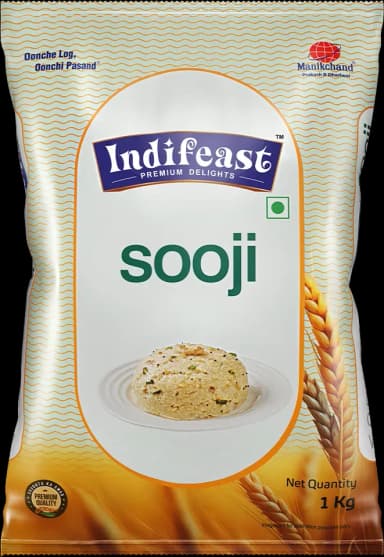
- Regular Sooji → medium grain, everyday hero
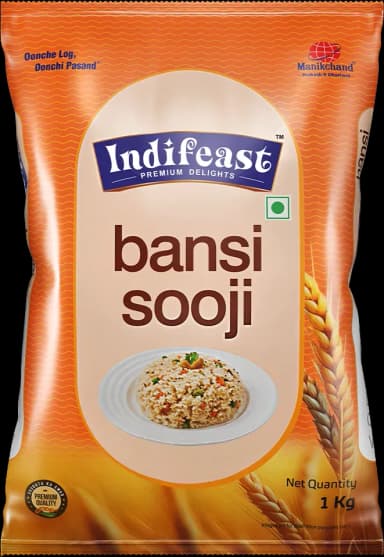
- Bansi Sooji → coarse, rustic, full of old-school flavour
Indian homes intuitively understand this.
One look, one pinch, and they know exactly which dish it belongs to.
Breakfast to dessert, Rawa works across the entire day
It’s one of the very few ingredients that can travel through all meals:
Breakfast
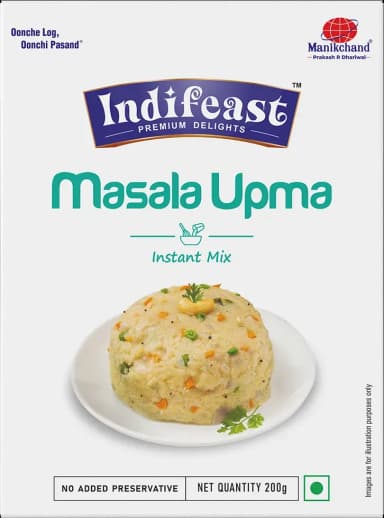
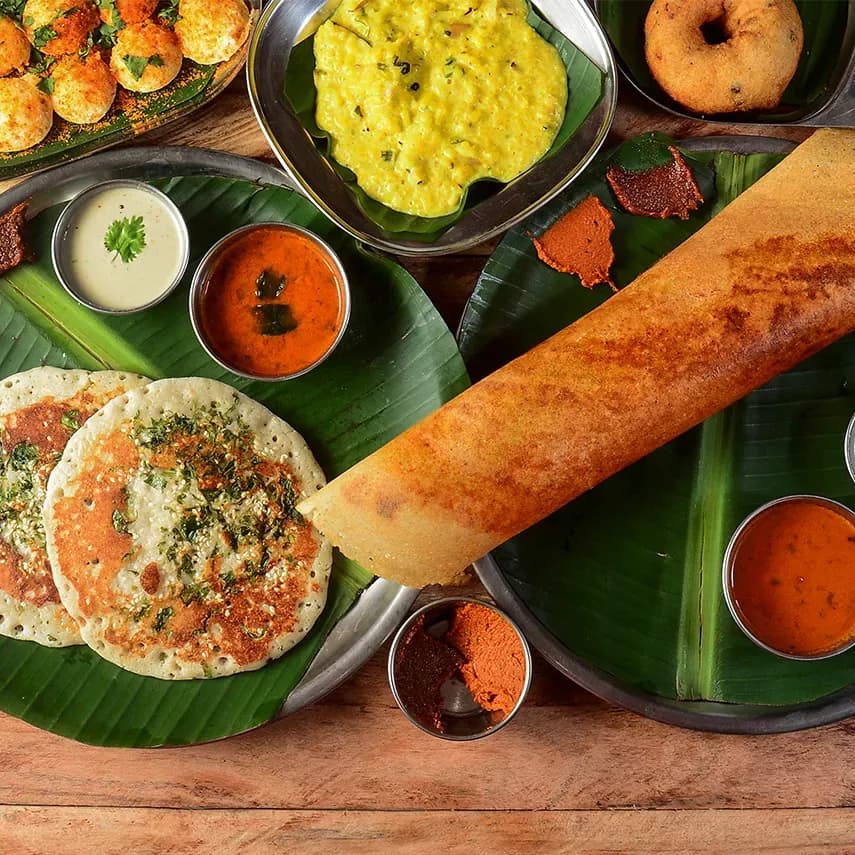
- Upma
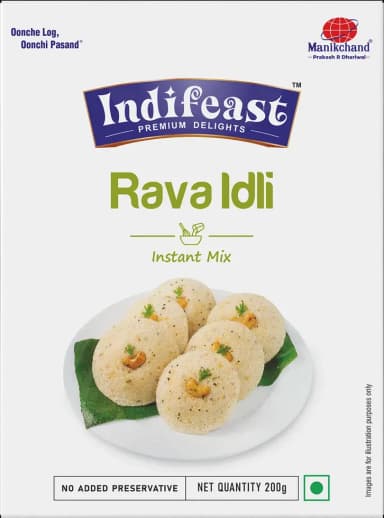
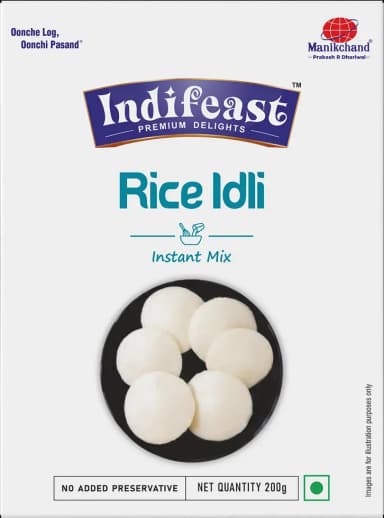
- Rawa Idli
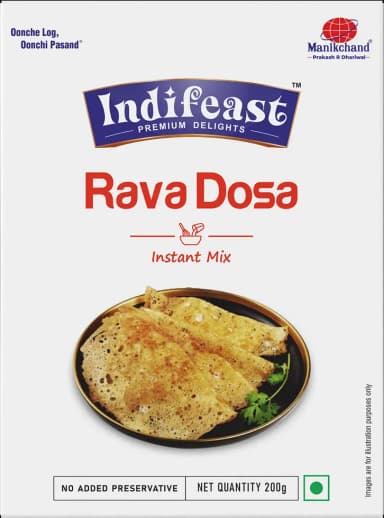
- Rawa Dosa
- Uttapam
- Idli Mix / Quick Tiffin Fixes
Lunch / Snacks
- Cutlets
- Bondas
- Pakoda coating
- Rawa rotis
- Thalipeeth enhancer
- Crispy tawa snacks
Desserts (Its true kingdom)
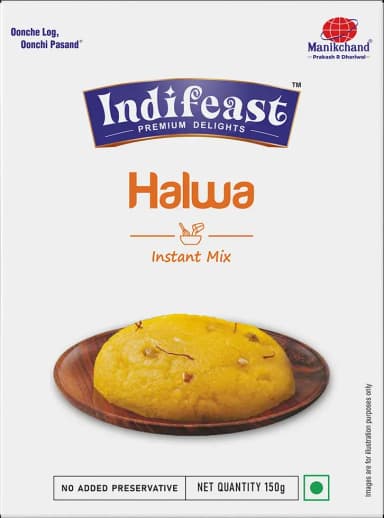
- Halwa
- Kesari
- Sheera
- Milk sweets
- Festival preparations (Gudi Padwa, Navratri, Ganesh Chaturthi, Eid)
And there is much more. No other single grain moves so seamlessly between savoury and sweet.
Rawa has one superpower: it becomes whatever you want.
Put it in a pan with some spices, it becomes upma.
Add ghee and sugar, it becomes sheera.
Ferment it, it becomes idli.
Soak it, it becomes soft enough for desserts.
Roast it, it becomes flavourful.
Steam it, it becomes fluffy.
Fry it, it becomes crispy.
It absorbs flavours beautifully.
It adapts instantly.
It transforms without complaint.
No tantrums.
No drama.
Just quiet brilliance.
Every Indian kitchen has a Rawa memory
Think about it:
- The smell of freshly roasted sooji during halwa season
- The first time you made upma when you moved out
- The dosa mornings when the batter ran out
- The festival rush when only Rawa saved the day
- The ‘5-minute snack’ your mom made by eyeballing ingredients like a magician
- The childhood sheera your grandmother made with exact sweetness every single time
Rawa isn’t just an ingredient.
It’s an emotion hidden in the kitchen.
Why good Rawa makes a real difference
Because texture changes everything.
- Extra-fine rawa → silky sweets
- Medium rawa → perfect upma
- Coarse rawa → crispy, hearty flavours
- Dessert rawa → lump-free halwa
Ordinary rawa clumps.
Great rawa cooks beautifully.
And cooking suddenly feels easier.
It’s one of the simplest ingredients, but the quality of rawa decides whether your sheera melts or feels grainy,
whether your upma is fluffy or dense,
whether your dosa crisps or breaks.
It helps you create those small everyday moments of Kuchh Achchha Banaate Hain.
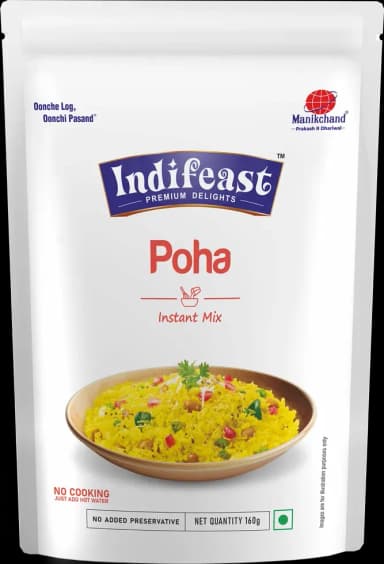
That’s why Indifeast’s rawa range is crafted with care.
From extra-fine Chiroti Rawa to smooth Kesari Rawa, to hearty Bansi Sooji, to everyday Sooji,
each milled for the right texture, the right roast, the right moment.
So whether it’s a festival sweet or a quick weekday breakfast,
your kitchen always has what it needs to make something good.
Explore the Indifeast Rawa range and bring home the joy of ‘Kuchh Achchha Banaate Hain’. Click here. <HYPERLINK>